1. Electricity
Electricity is a major source of energy.
It is transmitted through conducting wires.
Electrical appliances convert electrical energy into other forms of energy like heat, light, or motion.
Examples:
- Heater → heat
- Bulb → light and heat
- Fan → motion
The rate of energy conversion differs for different appliances.
A meter is used to measure electrical energy consumption to calculate the electricity bill.
2. Electric Current
Electric current is the flow of electric charges through a conductor.
Cause of Current
- Metals have free electrons
- These electrons move easily due to weak nuclear attraction
- In solutions, positive and negative ions move freely
When a battery is connected, charges move in a particular direction, producing electric current.
3. Definition of Electric Current
Electric current is defined as the rate of flow of electric charge per unit time.

Where:
I = current
Q = charge
t = time
4. Units
- SI unit of charge = Coulomb (C)
- SI unit of current = Ampere (A)
1 ampere = flow of 1 coulomb per second
Smaller units:
- 1 mA = 10⁻³ A
- 1 μA = 10⁻⁶ A
Current is measured by an ammeter, connected in series.
5. Direction of Current
- Conventional direction: from positive terminal to negative terminal
- Electron flow: from negative to positive
Exams prefer the conventional direction.
6. Electromotive Force (EMF)
Electromotive force is the energy supplied by a source per unit charge.

- Unit: Volt (V)
- Provided by cells, batteries, generators
- It is the cause of potential difference
- Independent of external resistance
7. Potential Difference (PD)
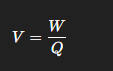
Potential difference is the energy transformed when a unit charge flows through a conductor.
- Unit: Volt (V)
- It is the effect of EMF
- Depends on resistance of the circuit
Measured by a voltmeter, connected in parallel.
8. Difference Between EMF and Potential Difference
EMFPotential DifferenceEnergy supplied by sourceEnergy used in circuitCauseEffectIndependent of resistanceDepends on resistanceMeasured without currentMeasured with current
9. Meaning of 1.5 V on a Cell
It means the cell provides 1.5 joule of energy per coulomb of charge.
10. Ohm’s Law
According to Ohm’s law, current through a conductor is directly proportional to the potential difference, provided temperature and physical conditions remain constant.
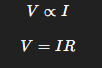
Where:
R = resistance
11. Resistance
Resistance is the opposition offered by a conductor to the flow of current.

SI unit: Ohm (Ω)
1 Ω = resistance when 1 A flows under 1 V
12. Factors Affecting Resistance
Length – longer wire → more resistance
Thickness – thinner wire → more resistance
Material – nichrome > copper
Temperature – higher temperature → higher resistance
13. Combination of Resistors
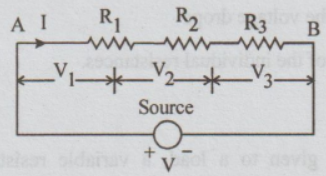
Series Combination
Same current flows through all
Potential difference is divided
Total resistance:

Used in decorative lights
If one fails, all stop working
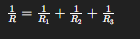
Parallel Combination
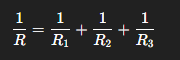
Same potential difference across all
Current is divided
Total resistance:
Used in domestic wiring
If one fails, others still work
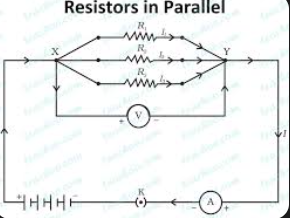
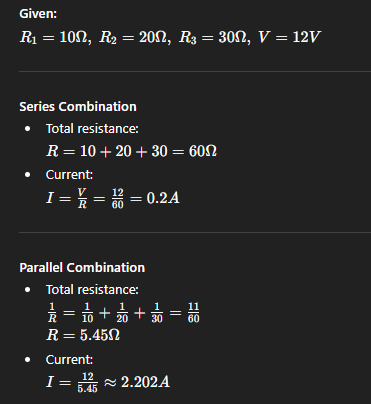
If resistors of 10 2, 20 2 and 30resistance are connected with a 12 V battery at first in series combination and then in parallel combination. Calculate the current in both cases and compare these values. Science and Technology, Grade 9 183 According to the given question, Resistance of the first resistor (R1) =10 Resistance of the second resistor (R2) = 20 Ω Resistance of the third resistor (R3) = 30 Potential difference (V) = 12 V
Series CombinationParallel CombinationResistors are connected end to endResistors are connected side by sideSame current flows through all resistorsSame voltage across all resistorsTotal resistance is highTotal resistance is lowIf one resistor fails, the circuit breaksIf one resistor fails, others still workUsed in decorative lightsUsed in domestic wiring
Formula for Total Resistance
SeriesParallel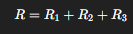
14. Heating Effect of Electric Current
Conversion of electrical energy into heat due to resistance is called the heating effect of electric current.
Examples:
- Heater
- Iron
- Rice cooker
- Kettle
Nichrome is used because:
- High resistance
- High melting point
- Does not oxidize easily
15. Electric Power
Electric power is the rate of energy conversion per second.
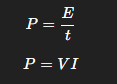
Unit: Watt (W)
1 W = 1 J/s
Meaning of 5 W:
Converts 5 joules per second
16. Electric Energy Consumption
Energy consumed depends on:
Power
Time of use

Commercial unit:
kilowatt-hour (kWh)
1 unit = 1 kWh = 3.6 × 10⁶ J
17. Electricity Bill
Electric bill is calculated by:

Where:
P = power (kW)
n = number of appliances
t = time (hours)
Monthly bill = total units × cost per unit