Introduction
In today’s world, technology has become an inseparable part of our daily life. From urban cities to rural areas, services like email, social networks, e-commerce, online chats, live streaming, and on-demand videos have become essential. These services rely on integrated technologies such as Cloud Computing, Artificial Intelligence (AI), Virtual Reality (VR), Mobile Computing, E-Governance, and Internet of Things (IoT) to function efficiently.
1. Cloud Computing
Definition: Cloud computing is a model where computing resources (like processors, storage, networks, software) are provided over the Internet as shared, virtualized resources. Users pay only for what they use.
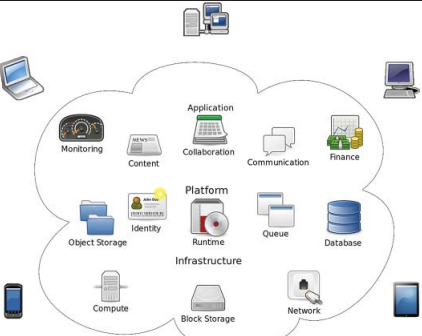
Key Features:
- Resources are scalable and available on demand.
- Eliminates the need for organizations to maintain their own hardware infrastructure.
- Supports applications requiring high performance and availability.
Types of Cloud Services:
- Infrastructure as a Service (IaaS): Provides virtualized hardware resources to run software. Billed based on usage.
- Software as a Service (SaaS): Users access software over the Internet, often via subscription. Examples: Gmail, Google Drive, Office 365.
- Platform as a Service (PaaS): Provides development tools and environment to create applications. Example: IBM Bluemix.
Examples of Cloud Services:
- Microsoft Office 365 – Web-based Office apps.
- Google Drive – Cloud storage and collaboration.
- Apple iCloud – Storage, backup, and synchronization.
Benefits of Cloud Computing:
- Easy access to data and apps from anywhere.
- Cost-effective for businesses.
- Scalable resources without large investment.
2. Artificial Intelligence (AI)
Definition: AI is the study and development of computer systems that can mimic human intelligence to perform tasks and improve over time based on data.

Examples of AI:
- Virtual assistants: Siri, Cortana, Amazon Alexa
- Face recognition systems
- Self-driving cars
- Spam email filters
Importance:
- Automates tasks requiring human intelligence
- Improves productivity and decision-making
- Supports smart recommendations and predictive systems
3. Virtual Reality (VR)
Definition: VR is a technology that creates a simulated environment that can be interacted with in a way that feels real using computer-based systems.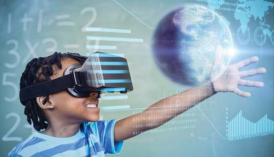
Uses of VR:
- Gaming and entertainment
- Training simulations (pilots, doctors)
- Education (virtual tours, labs)
- Experiencing distant locations
Devices:
- Head-mounted displays
- VR cinema halls
4. E-Governance
Definition: E-Governance refers to government services provided to citizens, businesses, and organizations via electronic media, mainly the Internet.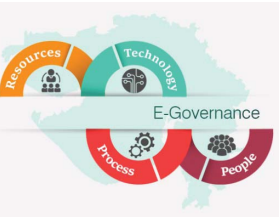
Goals:
- Simplify processes for citizens and government
- Increase transparency and reduce corruption
- Expand government reach to remote areas
Examples in Nepal:
- Paying taxes online
- Requesting government services through websites
Benefits:
- Cost-effective and convenient
- Increased transparency and efficiency
- Direct participation of constituents
5. Mobile Computing
Definition: Mobile computing is the ability to access and process data using mobile devices like smartphones, tablets, and wearable gadgets anytime, anywhere.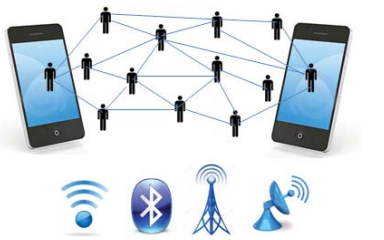
Components:
Mobile Hardware: Small, portable devices capable of processing data. Includes sensors, cameras, and biometric features.
Mobile Software: Operating systems and apps designed for mobile devices. Examples: Android, iOS.
Mobile Communication: Exchange of data over wireless networks like Wi-Fi, Bluetooth, cellular networks, and satellite.
Principles of Mobile Computing:
Portability: Devices can be moved easily.
Connectivity: High-quality network connection.
Interactivity: Enables communication and collaboration.
Individuality: Supports personal and contextual data access.
6. Internet of Things (IoT)
Definition: IoT is a system of interrelated computing devices, sensors, and objects that communicate and exchange data over a network without direct human interaction.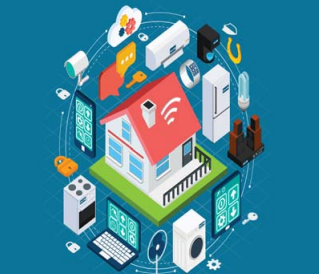
Examples:
- GPS-enabled cars transmitting location
- Temperature sensors sending real-time readings to servers
- Smart home devices (lights, thermostats, appliances) connected to the Internet
Importance:
- Enables real-time data collection and monitoring
- Connects physical and digital worlds
- Supports automation and smart systems
Key Differences Between Technologies
TechnologyDefinitionMain UseExampleCloud ComputingInternet-based delivery of computing resourcesStorage, hosting, on-demand appsGoogle Drive, AWSArtificial IntelligenceSystems that mimic human intelligenceDecision-making, automationSiri, self-driving carsVirtual RealitySimulated interactive environmentGaming, training, educationVR headsetsE-GovernanceGovernment services via electronic mediaCitizen services, transparencyOnline tax payment portalsMobile ComputingAccess to computing via portable devicesAnytime, anywhere data accessSmartphones, tabletsInternet of ThingsConnected devices exchanging dataAutomation, monitoringSmart home devices, GPS cars
Summary
Cloud Computing: On-demand Internet-based resources. Examples: AWS, Google Cloud.
AI: Machines performing human-like tasks. Examples: Siri, spam filters.
VR: Simulated interactive environment. Examples: VR games, simulators.
E-Governance: Government services online. Benefits: transparency, cost reduction.
Mobile Computing: Data access via portable devices. Principles: portability, connectivity, interactivity, individuality.
IoT: Devices communicating data over networks without human intervention. Examples: smart sensors, GPS-enabled cars.
Important Notes for Exam:
- Understand examples and applications in real life.
- Remember key differences between technologies.
- Focus on principles and components of Mobile Computing.
- Be able to explain benefits of Cloud Computing, E-Governance, and AI.