1. What is a Wave?
A wave is a periodic disturbance that transmits energy from one place to another without the transfer of matter.
Examples:
- Water waves
- Sound waves
- Light waves
- Earthquake waves
2. Use of Waves
We are surrounded by different types of waves. Waves strike our bodies all the time.
We use:
- Light waves for vision
- Heat waves from the sun
- Radio waves for FM radio
- Waves in mobile phones, Wi-Fi, Bluetooth
- X-rays and sound waves in medical diagnosis
A network of waves is used for:
- Communication
- Security checking
- Distance measurement
- Medical diagnosis
3. Types of Waves
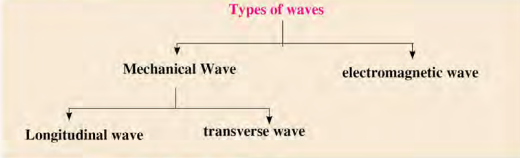
(A) Mechanical Waves
- Require a medium to travel
- Energy decreases due to absorption by the medium
- Examples: Sound wave, water wave
Mechanical waves are of two types:
- Longitudinal wave
- Transverse wave
(B) Electromagnetic Waves
- Do not require a medium
- Can travel through vacuum
- Energy is conserved
- Travel at the speed of light
- Examples: Light, radio waves, X-rays
4. Longitudinal Wave
- Direction of vibration is parallel to direction of wave
- Transmitted as compression and rarefaction
- Compression: molecules close together
- Rarefaction: molecules far apart
- Example: Sound wave
- Occur in solid, liquid and gas
5. Transverse Wave
- Direction of vibration is perpendicular to direction of wave
- Transmitted as crest and trough
- Crest: raised part
- Trough: depressed part
- Example: Water surface wave, rope wave
- Occur in solid and liquid only, not gas
6. Wave Terminologies (VERY IMPORTANT)
Amplitude: Maximum displacement from mean position
Frequency (f): Number of waves produced per second
SI unit: Hertz (Hz)
Time Period (T): Time taken to produce one complete wave
T = 1 / f
Wavelength (λ):
Distance between two nearest compressions
Or two nearest rarefactions
Or two nearest crests
Wave Velocity (v):

7. Mechanical Wave vs Electromagnetic Wave
Mechanical WaveElectromagnetic WaveNeeds mediumNo medium neededEnergy decreasesEnergy conservedSpeed varies with mediumConstant speedExample: soundExample: light
8. Electromagnetic Spectrum
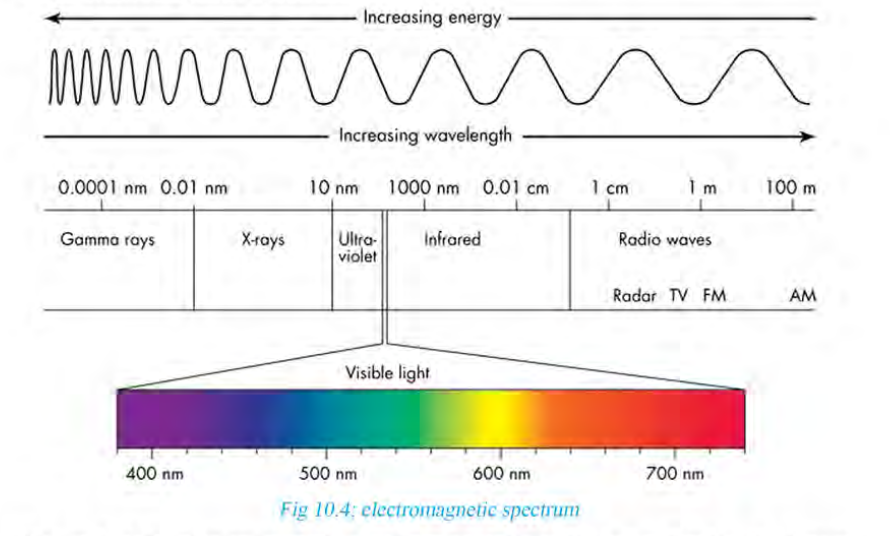
The electromagnetic spectrum is the complete range of electromagnetic waves from lowest frequency to highest frequency.
Order:
Radio → Microwave → Infrared → Visible → Ultraviolet → X-ray → Gamma ray
Radio waves: longest wavelength, least energy
Gamma rays: shortest wavelength, highest energy
9. Applications of Electromagnetic Waves
Radio Waves
- Radio and TV broadcasting
- Radio telescope
- Safe for living beings
Microwaves
- Cooking food in microwave oven
- Radar communication
- Airport surveillance
- Speed guns
- Mobile phones, Wi-Fi, Bluetooth, satellites
Infrared Rays
- Produce heat sensation
- Infrared heaters
- Remote control devices
- Thermal imaging cameras
- Night vision cameras
- Astronomy observation
Visible Light
- Helps us see objects
- Photosynthesis in plants
- Display screens
- Optical fiber communication
- Red light: longest wavelength
- Violet light: shortest wavelength
Ultraviolet Rays
- Causes sunburn
- High exposure causes skin cancer
- Used in sterilization
- Vitamin D formation
- CFL lamps glow due to UV rays
- Water purification (SODIS)
X-Rays
- Penetrate soft tissues
- Bones absorb more X-rays
- Used to detect fractures
- CT scan
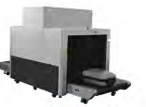
- Airport security scanners
- Cancer treatment
- Harmful in high exposure
Gamma Rays
- Produced during radioactivity
- Highly energetic
- Dangerous
- Used in radiotherapy
- Sterilization of food and equipment
- Nuclear medicine
10. Reflection of Sound
The sound wave that returns after striking a rigid surface is called reflected sound.
Echo is reflected sound heard after some time.
11. Uses of Reflection of Sound
- Echolocation in bats and dolphins
- SONAR
- Distance measurement
- Ultrasonic ruler
- Ultrasonography
- Burglar alarms
- Car parking sensors
13. Ultrasound
Sound having frequency greater than 20,000 Hz is called ultrasound.
Human ear cannot hear it.
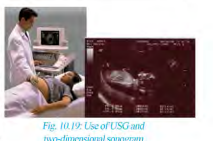
14. Ultrasonography
- Uses ultrasound waves
- Uses transducer
- Produces sonogram
- Safe for fetus
- Used to check:
- Pregnancy
- Tumors
- Kidney stones
- Heart function (echocardiography)
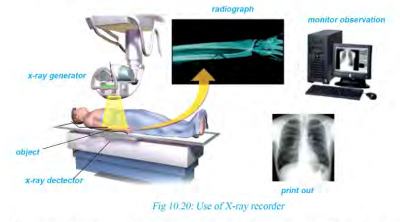
15. X-Ray Imaging
- Uses X-rays
- Bones appear white
- Soft tissues appear grey
- Air-filled organs appear black
- Used for fractures, tumors, infections
- Discovered by Wilhelm Roentgen (1895)
16. CT Scan
- Advanced X-ray technology
- Rotating X-ray source
- Produces 2D and 3D images
- Shows soft tissues clearly
- Used to detect internal injuries, blood clots, tumors
17. Acoustic Protection
- Use of soft and porous materials
- Absorbs sound
- Reduces echo
- Used in:
- Cinema halls
- Music rooms
- Recording studios
- Seminar halls
18. Role of Electromagnetic Waves in Modern Life
- Communication (radio, TV, mobile)
- Medical diagnosis (X-ray, CT scan)
- Cooking (microwave oven)
- Security systems
- Astronomy
- Remote sensing
- Daily life technology